Your 20s Nutrition Guide: 7 Science-Backed Rules That Actually Stick
I spent most of my early twenties bouncing between a paleo kick, a green-smoothie cleanse, and a sad week of only eating cabbage soup because a blog promised I'd drop five pounds. I did drop five pounds—and gained back seven. The real turning point came when I stopped treating food like something I needed to conquer and started treating it like fuel for my actual life: late study sessions, long shifts at a coffee shop, and the occasional spontaneous road trip. Here's the seven-rule system that finally worked, backed by science and tested on a real (broke, tired, perpetually hungry) twenty-something.
Rule #1: Stop Dieting – Start Eating for Energy, Not Shrinkage
The biggest mistake I see among friends and clients in their twenties is chasing the next diet. Keto, intermittent fasting, Whole30, raw vegan—they all promise a quick fix, but they rarely stick because they're built on restriction. The science is clear: restrictive diets trigger psychological rebound (you crave what you can't have) and metabolic slowdown (your body holds onto fat when it senses scarcity). Instead, shift your goal. Ask yourself: Will this meal help me think clearly through my 2 PM meeting? Will it keep me from crashing before my workout? When I started eating for energy, the weight stabilized naturally—without a single day of suffering.
How to Build a Plate That Fuels Your Day (Even When You're Busy or Broke)
No complicated macros. Use your hand: a palm-sized portion of protein, a fist of vegetables, a cupped handful of carbs, and a thumb of healthy fats. That's it. I meal-prepped this way on Sundays with a $40 grocery run: chicken thighs, frozen broccoli, brown rice, and a jar of peanut butter. It took 45 minutes and fed me Monday through Thursday lunch. The key is simplicity—no fancy ingredients, no expensive meal delivery.
Rule #2: Protein First, Everything Else Follows
If you do nothing else, prioritize protein. Protein has the highest thermic effect of food (TEF)—meaning your body burns about 20-30% of its calories just digesting it. It also triggers satiety hormones like PYY and GLP-1, which tell your brain, I'm done eating. For an average 20-something, aim for roughly 0.7–0.8 grams of protein per pound of body weight (about 105–120 grams for a 150-pound person). That sounds like a lot, but it's doable: a chicken breast, a Greek yogurt, a scoop of lentils, and a couple of eggs. I hit mine without any protein powders—just real food.
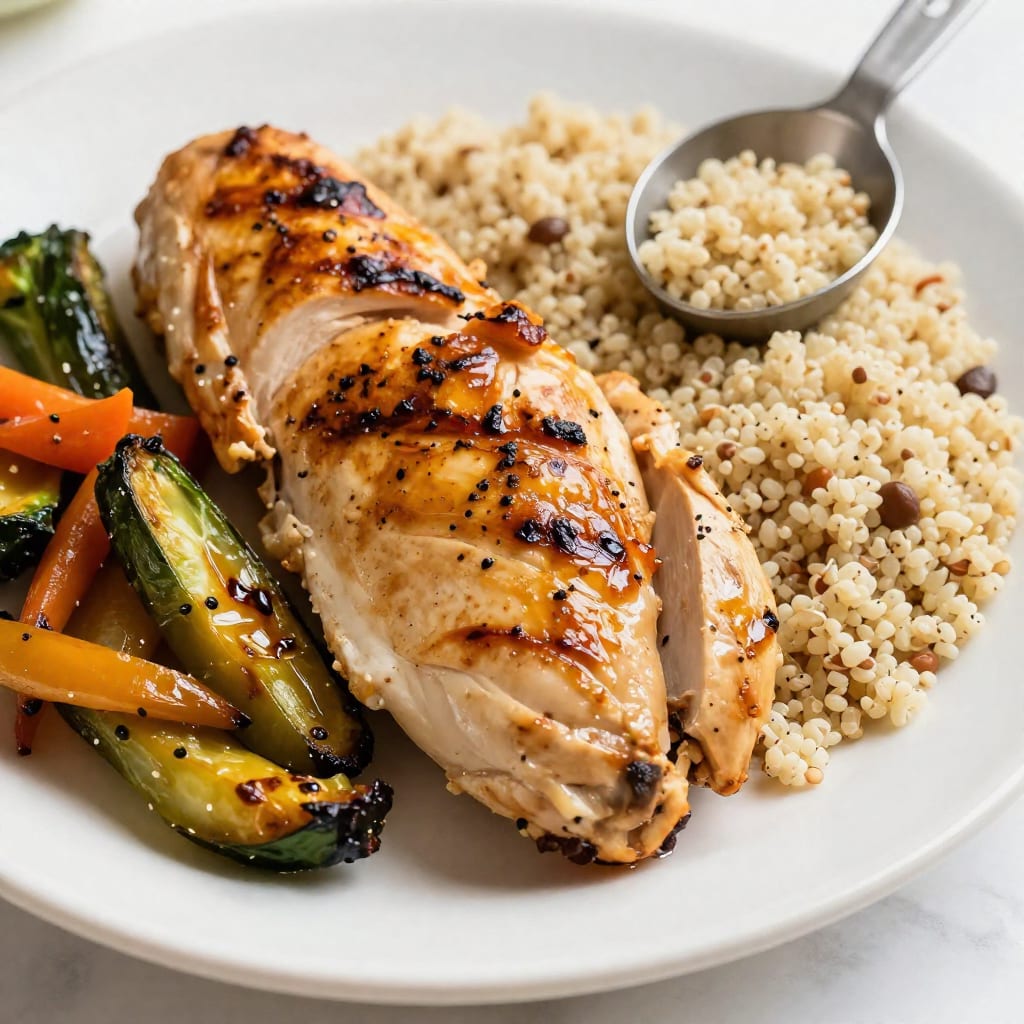
Why Protein Keeps You Full Longer (and Saves You From Vending Machine Regret)
Here's the scenario: you skip lunch because you're swamped, and by 3 PM you're staring down a bag of chips and a chocolate bar. Protein could have prevented that. Its slow digestion means steady blood sugar and fewer cravings. I started adding a hard-boiled egg or a handful of almonds to my morning oatmeal, and suddenly the 4 PM slump vanished. The science backs it up: a 2020 review in Nutrients found that higher-protein breakfasts reduce cravings later in the day. Practical tip: keep pre-cooked chicken strips or Greek yogurt cups in your work fridge—they're ready in seconds.
Rule #3: The 80/20 Rule – Ditch Perfection, Embrace Flexibility
Perfection is the enemy of consistency. The 80/20 rule means 80% of your intake comes from nutrient-dense whole foods (vegetables, fruits, lean proteins, whole grains, healthy fats) and 20% comes from whatever you genuinely enjoy—pizza, birthday cake, a beer with friends. This isn't permission to binge; it's permission to be human. When I stopped beating myself up over a slice of pizza, I actually ate less of it overall because the guilt wasn't driving me to eat the whole pie. A 2016 study in Appetite showed that flexible dieters have better long-term weight outcomes than rigid dieters. So yes, enjoy the pizza. Just don't make it every meal.
Rule #4: Hydration Is Non-Negotiable (Yes, Even for Coffee Lovers)
I used to think my afternoon fatigue was just, well, life. Turns out I was mildly dehydrated most days. Water is involved in every metabolic process, including fat oxidation and temperature regulation. Even a 1-2% drop in body water can impair focus and mood. Aim for 8-10 cups (2-2.5 liters) total fluids per day—yes, that includes herbal tea and coffee (caffeine isn't a diuretic at moderate doses). I bought a 32-ounce water bottle and made it a rule to finish one by noon and another by 5 PM. Within a week, my headaches disappeared and my skin looked better.
Rule #5: Don't Fear Carbs – Time Them Smartly
Carbophobia is rampant among 20-somethings, but your brain runs on glucose—it's the primary fuel for your central nervous system. The trick is timing. Eat most of your carbs earlier in the day or around your workouts, when your body can use them for energy rather than storing them as fat. I shifted my oatmeal and banana to breakfast and pre-workout, and saved lighter carbs (like vegetables) for dinner. The result? Stable energy all day and better sleep at night. Complex carbs (whole grains, legumes, sweet potatoes) are your friends—they digest slowly and keep blood sugar even.
Rule #6: Sleep and Stress Management Are Part of Your Nutrition Plan
Here's the part most guides skip: your eating habits are deeply influenced by sleep and stress. When you're sleep-deprived, your body produces more ghrelin (the hunger hormone) and less leptin (the fullness hormone), making you crave high-calorie, high-sugar foods. Chronic stress raises cortisol, which encourages fat storage (especially around the midsection). I noticed that after a week of poor sleep, I'd crave chips and ice cream every night. Fixing my sleep (7-9 hours, consistent schedule) cut those cravings by half without any willpower. Pair it with a simple stress management practice—like a 5-minute breathing exercise or a walk—and your nutrition plan becomes exponentially easier to follow.
Rule #7: Learn to Cook 3 Simple, Foolproof Meals – They'll Save You
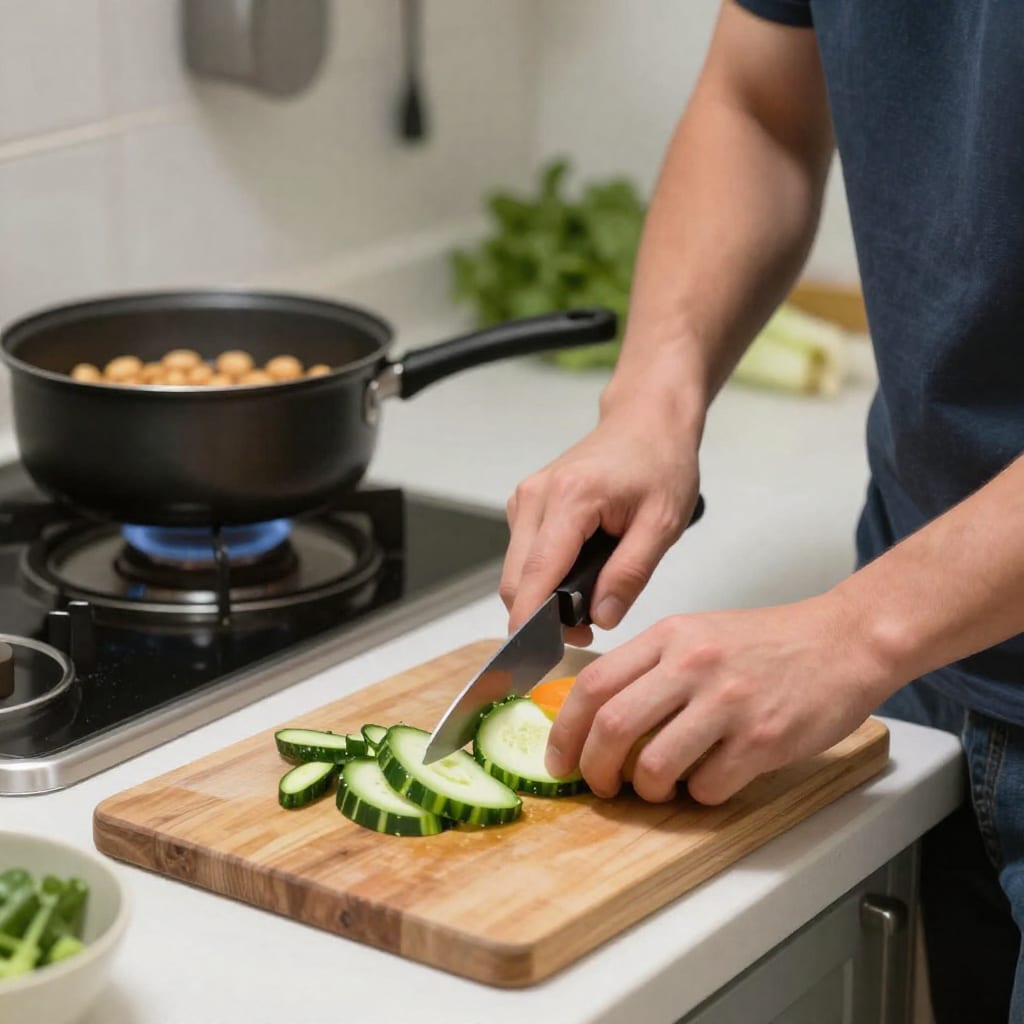
You don't need to become a gourmet chef. Learn three meals that are forgiving, cheap, and take under 30 minutes: a stir-fry (protein + frozen veggies + soy sauce), a sheet-pan dinner (chicken + potatoes + broccoli, all roasted), and a one-pot chili (beans, ground turkey, tomatoes, spices). I mastered these in my tiny apartment's galley kitchen, and they saved me hundreds of dollars and thousands of calories from takeout. Once you've got those down, you can improvise. But start small. A 2021 survey by the International Food Information Council found that cooking at home is the strongest predictor of diet quality. So yes, learning to scramble an egg is a life skill.
FAQ
I'm always busy and eat takeout. Is it still possible to eat healthy?
Yes, focus on small swaps like choosing grilled over fried, adding a side of vegetables, and watching portion sizes. Even 80% healthy takeout choices can be a win.
Do I really need to count calories to lose weight or eat better?
No, for most beginners, focusing on whole foods, protein, and portion awareness (like hand-sized servings) works better and is less stressful than strict counting.
I hate vegetables. Can I still have a good diet?
Absolutely. Start with veggies hidden in sauces or smoothies, or try roasting them with seasoning. Even a few servings of fruit can fill some nutrient gaps.
How much water should I actually drink each day?
Aim for around 8-10 cups (2-2.5 liters) total fluids, but adjust based on activity, climate, and thirst. Caffeine and herbal teas count toward your total.
I'm on a tight budget. How can I afford healthier food?
Focus on affordable staples like beans, lentils, oats, eggs, frozen vegetables, and seasonal produce. Buying in bulk and cooking from scratch saves money.
Your Practical Takeaway
Your 20s are a time of experimentation—including with your diet. The seven rules above are designed not as a rigid prescription but as a flexible framework: eat for energy, prioritize protein, allow flexibility, stay hydrated, time your carbs, manage sleep and stress, and cook a few simple meals. Start with just one rule for a week. I promise, the rest will fall into place. Worth bookmarking before your next grocery run.