7 Growing Salvia Tips for Full-Sun Perennial Beds That Bloom All Summer
I’ll admit it: I used to think salvia was a one-hit wonder. Plant it in May, enjoy a glorious flush of purple spikes for three weeks in June, then watch it turn into a scraggly green lump for the rest of the summer. That was before I figured out the real trick—those seven growing salvia tips for full-sun perennial beds that transform a brief cameo into a non-stop show from June straight through September. If your salvias are giving you a single act and then quitting, you’re not doing anything wrong—you’re just missing the backstage secrets that turn a good perennial into a great one.
Why Salvia Thrives in Full-Sun Perennial Beds (and Why Yours Might Not Yet)
Full sun—six to eight hours of direct light—is salvia’s native language. These plants evolved in the rocky, sun-baked hills of the Mediterranean and Central America, where rich soil is rare and water is a luxury. Give them that bright, hot spot and they reward you with a metabolism that cranks out flower stalks like a factory line. The heat triggers hormone signals that tell the plant to keep producing blooms, not just leaves.
But here’s where most gardeners trip: they treat salvia like a standard perennial—rich soil, frequent water, a sprinkle of balanced fertilizer—and the plant responds by putting all its energy into lush, dark green foliage and almost no flowers. It’s a classic case of “too much of a good thing.” I’ve killed more salvias with kindness—overwatering and overfeeding—than I have with neglect. The fix? Start with the right variety, then work backward from there.
Tip 1: Choose the Right Salvia Variety for Continuous Summer Color
Not all salvias are built for a summer-long performance. The common annual types (Salvia splendens) are bred for a single, intense flush and then fade. For perennial beds that bloom all summer, you need reblooming types from the Salvia nemorosa or Salvia × sylvestris groups.
Here are three that have never let me down:
- ‘Caradonna’ – Deep violet-blue spikes on near-black stems. Blooms June to July, then deadhead and you get a second wave in late August. Hardy to Zone 4.
- ‘May Night’ – A classic that starts in late May and, with regular deadheading, keeps going until frost. It’s the most forgiving salvia I’ve grown.
- ‘Rose Queen’ – A pink-flowered variety that doesn’t flop and reblooms reliably if you cut it back after the first flush.
If you want something taller, try Salvia guaranitica ‘Black and Blue’—it’s technically a tender perennial (Zone 7–10) but treated as an annual in colder zones, and its true-blue flowers with black calyxes are a hummingbird magnet from July to October.
Tip 2: Plant in Lean, Well-Drained Soil—Not Rich Garden Loam
This was my biggest aha moment. I used to amend my full-sun bed with compost every spring, thinking all perennials love rich soil. Salvias hate it. In rich, moisture-retentive loam, they grow tall, floppy, and bloom sparsely. Worse, they rot at the crown during a wet summer.
Instead, aim for a soil that’s sandy or gravelly, with a pH between 6.0 and 7.0. If your bed is heavy clay, do this: dig a hole twice as wide as the root ball but only as deep, then backfill with the native soil mixed with a handful of coarse sand or fine gravel. Do not add compost or peat moss. Test drainage by filling the hole with water and timing how long it takes to drain—if it’s still standing after an hour, you need to raise the bed or choose a different spot.
I have a strip along my south-facing driveway where the soil is basically crushed limestone and road grit. My salvias there bloom twice as long as the ones in my amended vegetable garden. Lean soil forces the plant to focus on reproduction (flowers) instead of vegetation (leaves).
Tip 3: Water Deeply but Infrequently to Encourage Deep Roots
Salvia is drought-tolerant once established, but that doesn’t mean no water. The key is deep watering that soaks down 6–8 inches, then letting the soil dry out completely before the next drink. In my Zone 6 garden, that means watering once a week during a dry spell, maybe twice during a heatwave. I set a soaker hose on a timer for 45 minutes—enough to wet the root zone without puddling.
Shallow, frequent watering is the enemy. It encourages surface roots that dry out fast and make the plant flop. You’ll also see yellowing leaves if you overdo it—that’s the plant’s way of saying “stop drowning me.” A good rule: stick your finger in the soil up to the second knuckle. If it’s dry, water. If it’s damp, wait.
Tip 4: Deadhead Strategically to Trigger Repeat Flowering
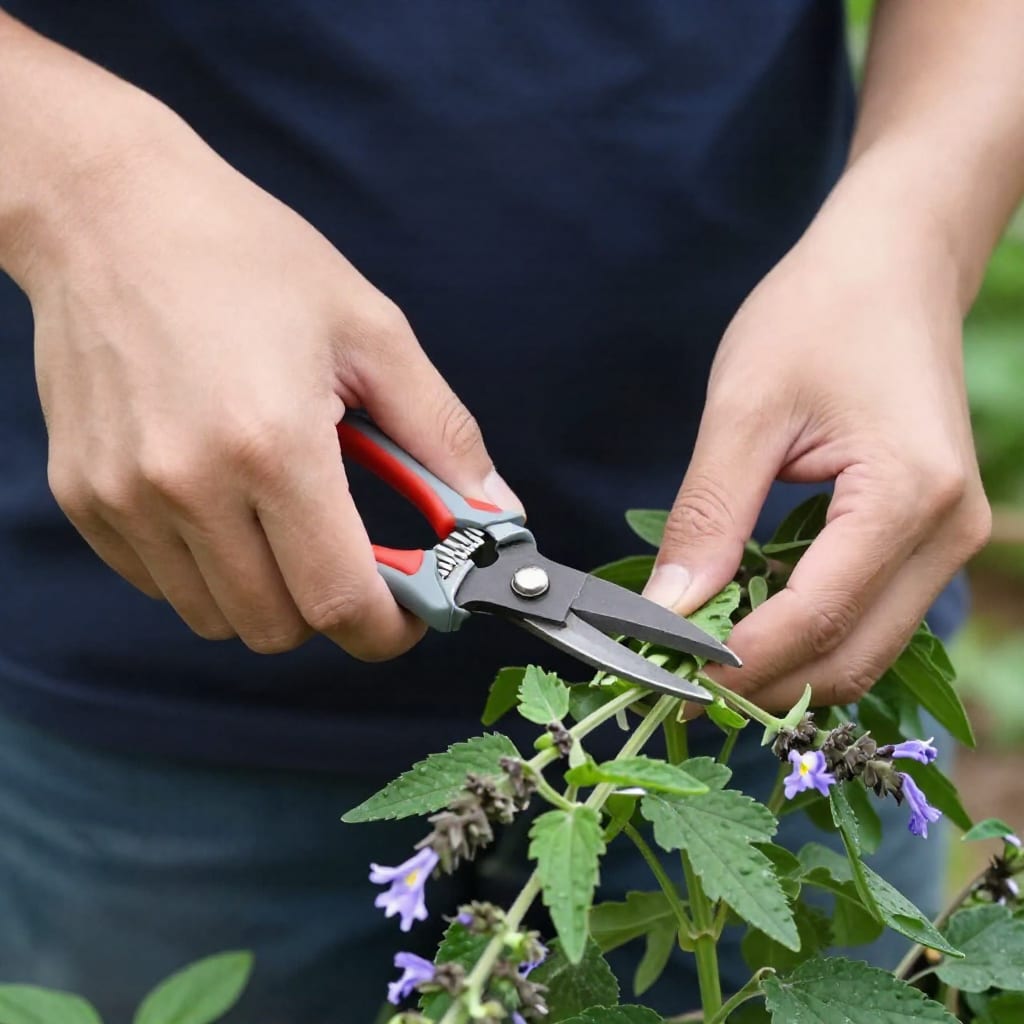
Deadheading is the single most effective technique for summer-long bloom, but you have to do it right. Wait until the spike has about 70% of its flowers faded—don’t cut too early or you lose color, don’t wait too long or the plant starts setting seed and shuts down bloom production.
Use sharp pruners and cut the spent spike down to just above a leaf node or a side shoot. On Salvia nemorosa, that’s usually 4–6 inches below the flower head. Avoid cutting into the woody base of the stem—that can kill the whole branch. I spend about 15 minutes every 10 days during peak season, and it pays off with a second flush that’s almost as heavy as the first.
A common mistake: shearing the whole plant at once. That leaves it looking bald for two weeks. Instead, deadhead individual spikes as they fade, and the plant stays full while producing new ones from the sides.
Tip 5: Use a Light Hand with Fertilizer—Less Really Is More
I once gave my salvias a dose of balanced 10-10-10 fertilizer in June, thinking it would boost blooms. Within two weeks, they had doubled in height, flopped over, and produced exactly zero new flowers. The nitrogen had hijacked the plant’s energy into leaf production.
Salvia needs almost no fertilizer in lean soil. If your bed is average, skip it entirely. If you must feed, use a low-nitrogen formula like 5-10-10 or a bloom booster with a high middle number (phosphorus) and low first number (nitrogen). Apply once at planting time and again in mid-July if the plants look pale. I use a half-strength liquid kelp or a slow-release 0-10-10 once, and that’s it. Over-fertilized salvias also attract aphids—another reason to go light.
Tip 6: Provide Airflow and Spacing to Prevent Powdery Mildew
Full sun doesn’t automatically prevent disease. I learned this the hard way when I packed ‘May Night’ salvias 12 inches apart in a new bed. By August, the centers were a mess of white powdery mildew, and I had to rip out half the plants.
Space salvias 18–24 inches apart, depending on the mature width. That gives enough room for air to circulate around each plant, keeping leaves dry and reducing fungal spores. In humid climates, also remove the lower leaves on the stems once the plant is 12 inches tall—this lifts the canopy and lets breeze flow underneath.
If you see early signs of mildew (white dust on leaves), spray with a mix of 1 part milk to 9 parts water every 5 days until it clears. It’s not a cure, but it stops spread without chemicals.
Tip 7: Cut Back in Midsummer for a Second Act of Blooms
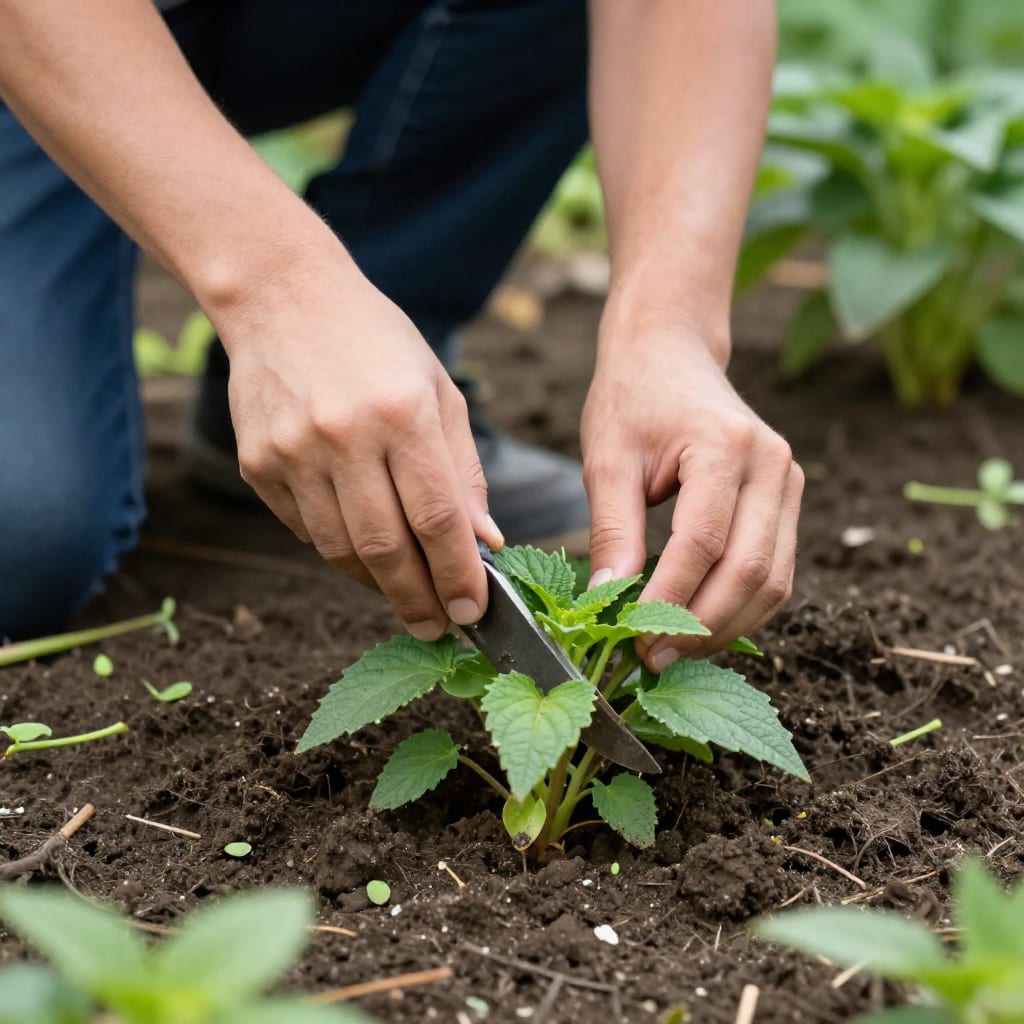
This is the secret weapon that separates okay salvias from spectacular ones. About six weeks after the first flush—usually late July or early August—take a pair of shears and cut the entire plant back by one-third to one-half. Don’t be timid; you’re not hurting it. This technique, sometimes called the “Chelsea chop” (named after the Chelsea Flower Show timing), forces the plant to produce a fresh set of basal shoots that will bloom in September and October.
I do this on my ‘Caradonna’ and ‘May Night’ every year. Within three weeks, new green growth appears at the base, and by early September, I get a second wave of flowers that lasts until a hard freeze. The bonus: the second flush is shorter and sturdier, so it doesn’t flop in autumn rains.
One caution: don’t do this after mid-August in cold climates. The new growth needs time to harden off before winter. In Zone 5 and colder, aim for the first week of August as a deadline.
Frequently Asked Questions
How much sun does salvia really need to bloom all summer?
At least 6–8 hours of direct sunlight daily. Less sun reduces flower count and encourages floppy growth. If you only have partial shade, stick with varieties like ‘May Night’ that are more tolerant, but expect fewer blooms.
Should I cut back salvia after the first bloom?
Yes, deadhead spent spikes down to a leaf node or side shoot to trigger new flowers. Avoid cutting into woody stems. For a full second flush, do the midsummer chop described in Tip 7.
Can I grow salvia in partial shade and still get summer-long blooms?
Most salvias will bloom less in shade. Stick with full-sun varieties like ‘May Night’ or ‘Caradonna’ for best results. In deep shade, they’ll produce mostly leaves and maybe a few sparse spikes.
Why are my salvia leaves turning yellow in full sun?
Often due to overwatering or poor drainage. Let soil dry between waterings and check for compacted beds. Yellow lower leaves can also signal nitrogen deficiency, but that’s rare in amended beds—it’s usually too much water.
Do salvias need winter protection in cold climates?
Perennial salvias like Salvia nemorosa are hardy to Zone 4–5. Mulch after ground freezes, but avoid wet winter soil. In Zone 3, add a thick layer of straw or leaves after the first hard frost. Don’t cut back the dead stems until spring—they help insulate the crown.
Your Summer-Long Salvia Plan, Summarized
Here’s the takeaway in four sentences: Choose reblooming varieties like ‘Caradonna’ or ‘May Night’. Plant them in lean, well-drained soil with 6+ hours of sun. Water deeply once a week, deadhead every 10 days, and give a single light feeding. And don’t be afraid to cut them back hard in midsummer—that’s the trick that turns a three-week wonder into a four-month performer.
I’ve been using these seven tips for three seasons now, and my full-sun bed goes from June to October without a gap. Worth bookmarking before your next plant shopping trip—your salvias will thank you.